If you enter your place of worship then remember that your brother or sister has something against you, abandon your offering and go, be reconciled to your brother or sister. Make things right. Then and only then, come back and offer your gift to God. (Matthew 5:23-24)
I was absolutely sickened by the brutal, arrogant and downright ugly carving of a Jesus-branded message into an Indigenous sacred site on Mount Beerwah last week. (If you missed it, someone used a power tool to gouge “JESUS SAVES JUST ASK HIM” in letters up to an inch deep across the rockface.)
I agree that Jesus saves, but this act of vandalism is about the least Jesus-y witness I can imagine. From my readings of the gospel, Jesus isn’t interested in domination and subjugation. Instead, his salvation comes about through self-giving love, through acts of listening and healing, and through solidarity with those shoved to society’s margins (which in our society includes Aboriginal and Torres Strait Islanders). Gouging out a message across a known sacred site works against all these impulses; it’s arrogant, tone-deaf and harmful, and profoundly disrespects First Peoples.
But as I reflected on the incident and my own response, I came to realize something else. As a white Christian, it is convenient to be outraged by this act of violence. It’s brutal; it’s remote; it’s very very far from what I would do. And yet this act of vandalism is simply a naked example of what has been happening across the continent since the onset of colonization.
In an Indigenous worldview, all land is sacred. Sure, there are particular sites identified with particular activities. Mount Beerwah is a site for sacred ceremony, and Jinibara women birth alongside it. But fundamentally all land, indeed all creation, is sacred. Yet creation on this continent has been ravaged by colonization, both physically and in the signs, symbols and words we associate with land, waterways and skyways.
Whether it’s sheep and cattle destroying yam gardens and compacting the soil; invasive species running rampant; mass extinctions; whole forests being woodchipped and shipped to Japan; vast hillsides being blown up or dug out; vast acres of living earth being suffocated by concrete and bitumen, buildings and churches; or the way colonial names have obliterated true names from the landscape: this country has been profoundly shaped, ravaged and scarred by colonization.
These scars may not all have ‘Jesus saves’ scrawled across them, but the message is implicit. Because, as hard as it is to admit, invasion and settlement was done with the widespread support and complicity of the church.
Sometimes it was obvious, such as the sermons which quoted Joshua, equated English economic interests with a Christian state, and turned a blind eye to the wholesale death or dispossesion of Aboriginal people by white folks ‘advancing the kingdom’ (of England / of God – it was all the same to them). Sometimes it was through stealing Aboriginal children and raising them in Christian schools and missions. Sometimes it was through banning language, culture and ceremony. And always, it was through upholding and supporting an imported economic system based on violence, land theft, resource extraction, and private wealth.
Jesus says: If you enter your place of worship then remember that your brother or sister has something against you, abandon your offering and go, be reconciled to your brother or sister. Make things right. Then and only then, come back and offer your gift to God. (Matthew 5:23-24)
Jesus is saying that the responsibility for healing lies with the perpetrator, not the one who has been hurt. In other words, if you remember that your Aboriginal brother or sister has something against you or your institution, the responsibility for healing lies with the Christian colonizers, not with those who have had so much taken away.
It’s National Reconciliation Week: but reconciliation is simply what happens when a whole lot of work has been done. And so I suggest that settler Christians need to be putting effort into learning our history, speaking the truth, and making restitution. We need to work towards economic and social justice, and a renewed Indigenous-shaped relationship with the land; we need Voice and Treaty; we need reparations including, perhaps, the widespread handover of church property and wealth.
Then, we might come closer to reconciliation; then, we might find ourselves offering gifts which are acceptable to God.
Shalom,
Alison
For more resources regarding Voice, the Uniting Church has put together a page (here), including a lecture (here) by Rev Dr Garry Deverell (who preached recently at Sanctuary), and a call to support the Voice from Aunty Professor Anne Pattel-Gray (here). Indigenous-led Common Grace’s resource page is here, and includes a link to a talk by Aunty Dorseena Fergie (here) (whose husband is a Baptist minister!) plus many others.
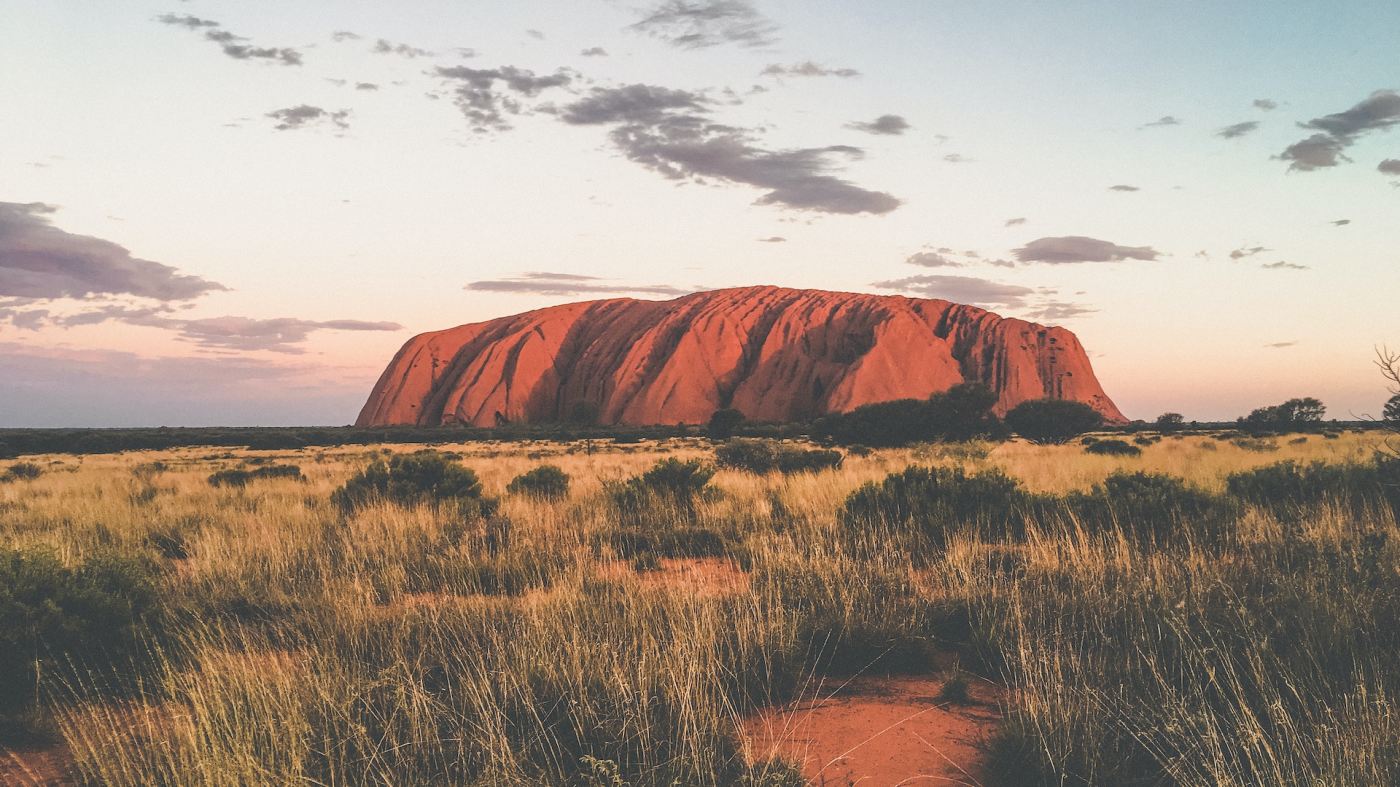
Emailed to Sanctuary 31 May 2023 © Alison Sampson, 2023. Photo by Simon Maisch on Unsplash.
 Alison and the whale