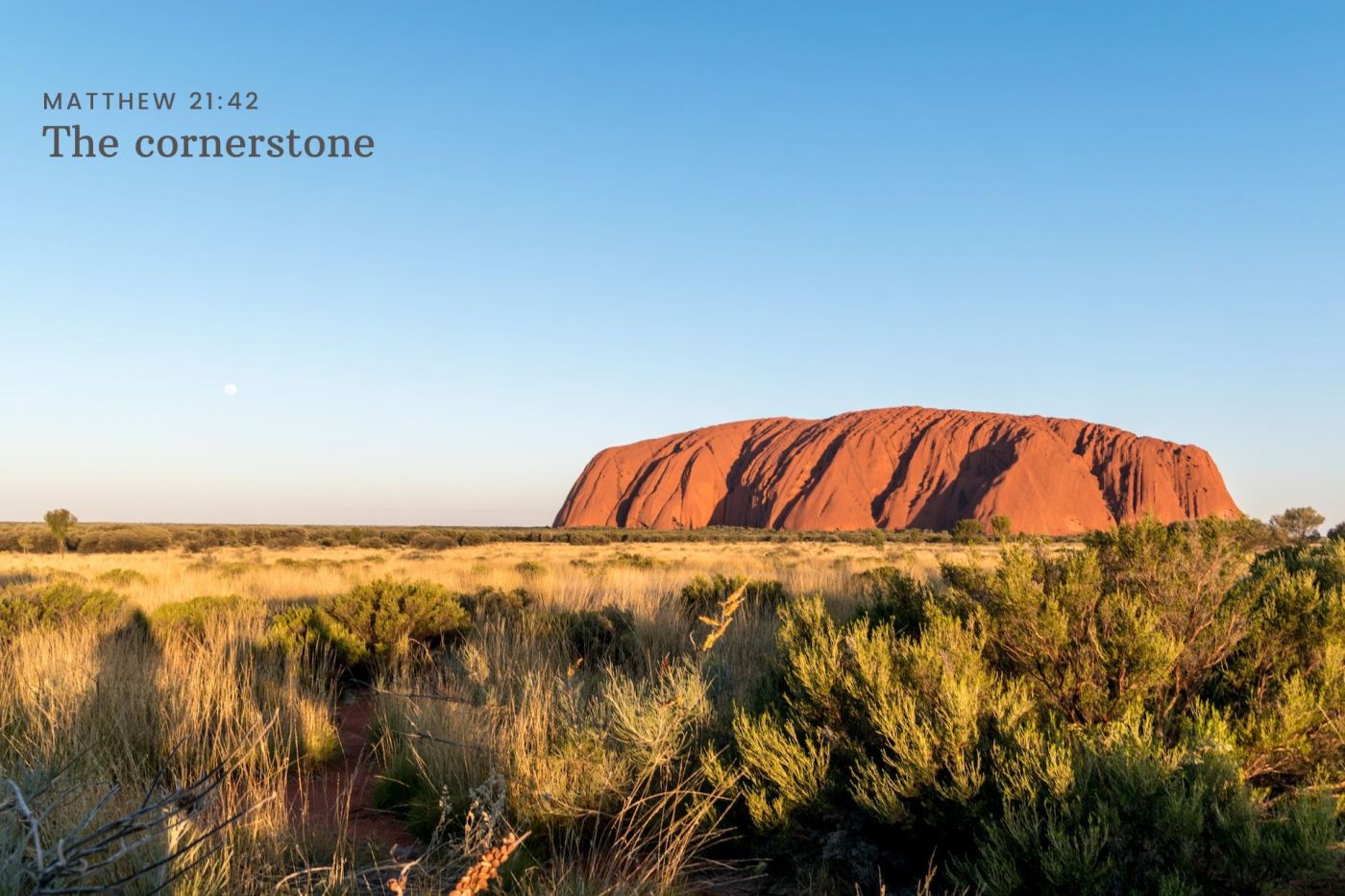
In a world racked by climate change, we need the wisdom of custodians. (Listen.)
This week, following the hottest, driest September on record, out-of-control bushfires have been raging in Victoria. Fires are also burning in New South Wales and Tasmania. Regions of New South Wales have been declared an extreme fire danger zone; and some regions of Victoria which were burning this week were flooded the very next day.
Many of us understand that these extreme weather events are due to relatively recent human activity on the earth: fossil fuel industries, global tourism, rapacious consumption, and all the rest. We understand, in fact, that intense fires and overwhelming floods are a result of collective human sin.
‘God took the creature of earth and put them in the garden of Eden to serve and preserve it’ (Genesis 2:15): yet it seems the colonial earth creature has not done a very good job. According to Genesis, the role of humanity is to participate in and foster the fruitfulness of the earth. But we are taking and burning and grabbing and devouring; claiming land and resource for short term benefit; impoverishing many for the enrichment of the few; and in the process compromising the earth’s very fruitfulness. Salination, species loss and extreme weather events abound, profoundly damaging the fertility of the land.
Sadly, the rapacious greed that leads to harm is nothing new. In Jesus’ parable, we meet a landowner who lovingly sets up a vineyard. He plants it and fences it, digs a winepress and builds a watchtower; then he entrusts these resources to tenants.
The lease agreement, or covenant, is two-way. The landowner provides the well-equipped vineyard, the tenants provide skill and labour, and both parties benefit from the harvest. This stewardship arrangement involves mutual trust and mutual benefit; and it reflects Jesus’ understanding of the relationship between God and God’s people.
That is, everything in this world first belongs to God. God is the creator of all things and the giver of all gifts: and we are invited into partnership with God. To this end, we are given fertile soil and wisdom to care for it; practical skills and an eye for beauty; songs, seeds, stories, fire; clean water; fresh air: indeed, all that we need for the fullness and flourishing of the world, and us within it. Everything we have, everything we know, and everything we are able to do and be, is entrusted to us as stewards, that we might bring about more faith, more life, more love, more joy, more hope, more justice, and more shalom.
Yet we are also free, and so we can do what we like with the gifts. We can use them to serve and preserve the world, or we can exploit them for our personal benefit. Of course, when we use our gifts in accordance with the Creator’s instructions, they will bear good fruit. But when we use them for our own advantage, or when we deny the Creator’s share, things go badly for us; we will not know fullness or flourishing.
So what happens in the parable? When harvest time comes, the landowner sends messengers to collect his share of the fruit. But the tenants have become greedy. They reject the terms of the covenant, and refuse to hand over the landowner’s share of the harvest; they want to keep everything for themselves. Then they beat and kill the messengers: even the landowner’s son. Eventually, the landowner calls the tenants to account. Then he takes the vineyard away from them and gives it to new tenants who *will* produce fruits of the kingdom.
You see, the initial tenants forgot something crucial: that they were tenants. They were granted access to a well-equipped, well-ordered, lovingly planted vineyard; but they were never owners. They didn’t hold title, but only ever had it on trust. And they were not called to extract maximum profit in a minimum space of time, but to serve and preserve the vineyard; to be custodians, in fact. As Debie Thomas writes, ‘Theirs is not a vocation of ownership; it is a vocation of caring, tending, safeguarding, cultivating, and protecting—on behalf of another.’ On behalf of God, that is, who loves the poor and vulnerable including the generations to come.
Long, long ago, the Haudenosaunee Confederacy developed the Seventh Generation Principle. This principle insists that every decision, every act, and every relationship must ensure the health and wellbeing of the next seven generations. Many First Peoples on this continent live by similar principles, understanding themselves as custodians who are called to serve and preserve the land on behalf of the Ancestors and for the generations to come.
The Seventh Generation Principle is the antithesis of our economy, which preferences short-term private wealth creation. Yet it’s a form of justice and land care that leads to shalom. It’s a way of imagining ourselves into the future and of refusing to steal from our children. It reminds us that anything we extract or destroy for our own short-term benefit—a tree, a river, a species, a mountaintop—is no longer available for the coming generations, and is a violation of justice and self-giving love.
So people who live by the Seventh Generation Principle don’t blow up mountains to extract minerals, as is happening in the Pilbara. They don’t use water in ways which dry up the Murray-Darling Basin. They don’t cut down forests where greater gliders and swift parrots dwell. They don’t build an economy based on mineral extraction or fossil fuel industries, nor do they aim for personal wealth creation. Instead, they find ways to live so that both land and people flourish: even land that is deemed insignificant; even people who are not yet born. And in this way they live with shalom, that is, in right relationship between God, people and planet.
As we draw near to the Voice referendum, and rivers flood and bushfires rage, I ask: Who among us knows how to care for country and live in right relationship with the land? Who among us truly understands the attitudes of custodianship? Who will show the way?
Because right now our collective choices aren’t leading to the health and flourishing of this or any generation. Instead they are, quite simply, killing people and country. We are facing devastating sea level rises, horrific wildfires, deadly superstorms, and even, perhaps, the reversal of the Gulf Stream and the end of seasons as we know them: the unmaking of the world, indeed.
Yet in Indigenous knowledge, in cool burns and firestick farming and careful wetlands management and all the rest, I find a glimmer of hope for our nation.
In a culture which has lived in continuous fruitful relationship with the land for sixty or even a hundred thousand years and preserved it for coming generations, I find a glimmer of hope for our nation.
And in Peoples who across those same millennia intelligently and creatively navigated Ice Ages, the rise of volcanoes, the loss of megafauna, the sinking of sea bridges, and other radical changes to climate, landscape and seascape, and who did not simply endure but until very recently thrived, I find more than a glimmer of hope for our nation.
And so I suggest that, if we as a nation are to flourish, then the stone that the builders of this country rejected—the stone of Indigenous wisdom—must become the cornerstone of our life together: for we must no longer live as owners, but as custodians.
Jesus said to his listeners, ‘The kingdom of God will be taken away from you and given to a people that produces the fruits of the kingdom.’ (Matthew 21:43). So what are the fruits? Gentleness, generosity and self-control. Shalom. Self-giving love which seeks fullness and flourishing not just for some but for all, particularly those who cannot fight for themselves: Children. Wetlands. Little birds and kooyang (eels), and the many generations yet to come.
As a society, then, will we continue to privilege corporate interests and private wealth creation? Will we keep taking and burning and grabbing and devouring until there is nothing left? Or will we make decisions for the seventh generation, and indeed the generations living right now?
‘Blessed are the humble,’ said Jesus, ‘for they will inherit the land.’ (Matthew 5:5) Right now, the land is crying out in agony; it desperately needs to be served and preserved. Which voices will we listen to? Will we plant hope? What sort of tenants will we be? Ω
View the Uluru Statement from the Heart, spoken from the rock at the heart of our land, here. It names the need for a Voice to Parliament. If you are still not sure what the Voice is, very simply (from https://voice.gov.au/about-voice):
The Aboriginal and Torres Strait Islander Voice would be an independent and permanent advisory body.
It would give advice to the Australian Parliament and Government on matters that affect the lives of Aboriginal and Torres Strait Islander peoples. This includes issues such as education, health, housing, justice and other policies with a practical impact on First Nations people.
If the referendum passes, there would be a process with Aboriginal and Torres Strait Islander communities, the Parliament and the broader public to settle the Voice design. Legislation to establish the Voice would go through parliamentary processes to ensure adequate scrutiny by elected representatives in both houses of Parliament. This would ensure the Voice can evolve and adapt as circumstances change, while upholding the authority of Parliament to legislate the Voice.
Read more on the Voice Design Principles.
That’s it. Pretty simple, hey? Vote Yes!!!
A reflection by Alison Sampson on Matthew 21:33-46 given to Sanctuary on 8 October 2023 © Alison Sampson 2023 (Year A Proper 22). Photo by Vladimir Haltakov on Unsplash (edited).
 Alison and the whale