We are in limbo. The old has passed away, and the new has not yet arrived. For those of us foolish enough to remain in the church, these are terribly uncomfortable times. We don’t necessarily want change; and yet we also know that things can’t stay the same. Christendom is long gone, COVID-19 is real, the world keeps moving online, and these realities are powerfully shaping the future church. Continue reading “Romans | Letter to a church facing change”
Genesis | ‘Male and female they created them’: Pronouns and the community of God
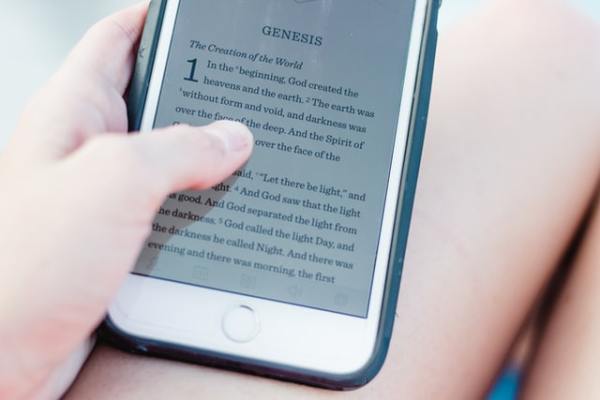
This coming Sunday, we will focus on the first creation story (here). During the service, I plan to reflect on how God acts in the face of chaos; here, I want to comment on translation. What’s interesting is the name of God and the related issue of pronouns, that is, he/him; she/her; they/them. Most English translations just write ‘God’ and assign a male pronoun; not coincidentally, most English translations have been authored by men. (If in doubt, read through the list of contributors in the front of your Bible. It’s an entirely depressing exercise.) Continue reading “Genesis | ‘Male and female they created them’: Pronouns and the community of God”
Pentecost | An invitation to linguistic humility this #NRW2020
Ngata (hello). Last week I met some women who were speaking language. Their conversation sounded like sunlight on a gently rippling stream, like good earth made soft with ash. As they turned to include me, I asked the elder how many languages she speaks. ‘Nine,’ she said, ‘plus English. Usually five around the kitchen table at my house.’ Then she apologised for speaking language in front of me. ‘Should be speakin English,’ she said. Continue reading “Pentecost | An invitation to linguistic humility this #NRW2020”
Drawing close … from a distance
Imagine being a hospital chaplain who cannot enter the room of a dying patient. This is the reality of coronavirus. Public health demands that patients die alone, yet patients still need people to journey with them, and to offer words of hope and comfort both to themselves and to their loved ones. Continue reading “Drawing close … from a distance”
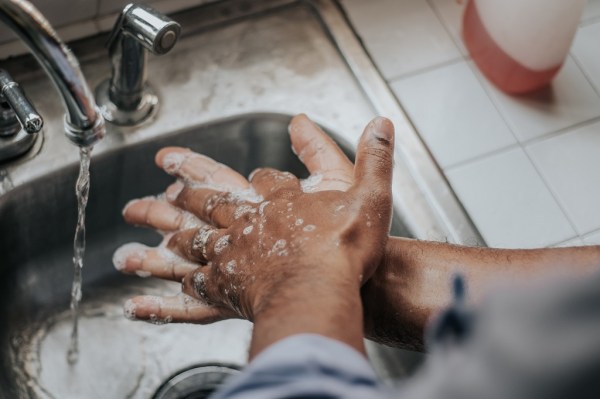
Prayers for handwashing
I don’t know about you, but in this house we’re washing our hands like we’ve never washed them before. We lather up, sing Amazing Grace (one verse), Sizohambe Naye (both verses) or God is loving and love is giving (twice through), then rinse and dry thoroughly. It’s lovely to sing as we scrub, but given shutdown has made it impossible for us to experience many of the usual physical rituals of our faith, I wondered how we could turn handwashing into a more intentional spiritual practice. Continue reading “Prayers for handwashing”
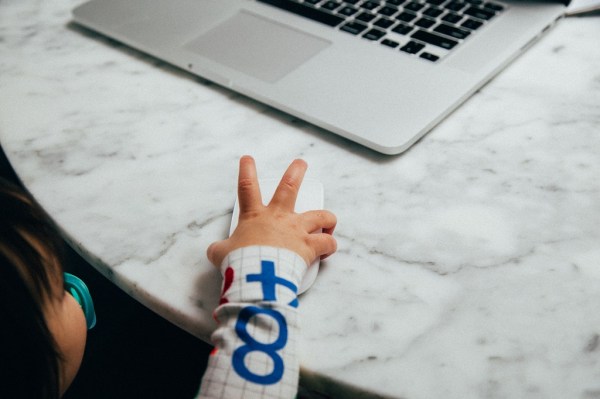
Like the child who bursts into a Zoom call
So kids are back at school and yet at home; and parents are at work and yet at home. Parents are now expected to supervise and support their children as they learn online, even while doing their own work – which in itself has become more challenging due to all the changes. Any plans we might have had for juggling work and kids through the school holidays are now being extended indefinitely by the COVID-19 shutdown; while for others, work has suddenly dried up. And so, one way or another, stress levels are heading through the roof. Continue reading “Like the child who bursts into a Zoom call”
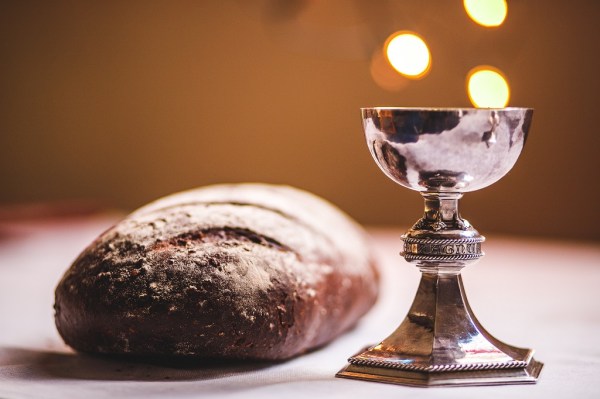
Why we won’t be sharing communion via Zoom
I was delighted with our first Zoom service. So many of you participated in the liturgy, and there was such good conversation both before and afterwards. And your feedback has been strong: that many kids stuck around; that the prayers for the world showed a high level of engagement; and that the tech made some of you actually feel closer and more connected than ever. So that’s wonderful! Continue reading “Why we won’t be sharing communion via Zoom”
Healing: Being reconciled with all creation
As Western consumer capitalists, it is difficult for us to feel intimately connected with each other, let alone the wider creation. Ancient schools of philosophy have taught us to think of ourselves as separate beings distinct from the created order; and dominant agricultural and economic models distance us from the rest of the natural world. Thus our industries tend towards extracting, reducing and damaging, rather than sustaining and improving, the atmosphere, the biosphere and the hydrosphere. Continue reading “Healing: Being reconciled with all creation”
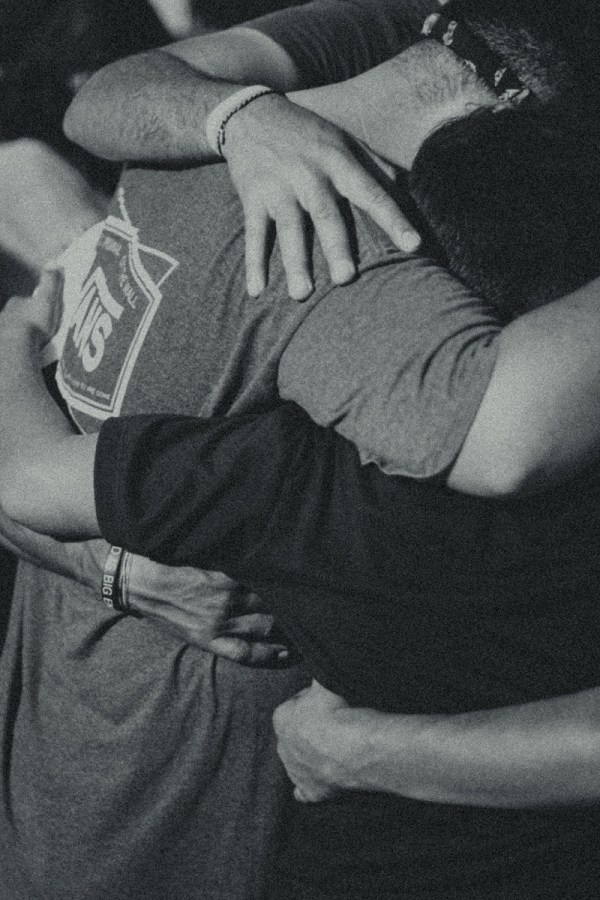
Healing and community
Last week, we looked at how healing is about wholeness, that is, including, accepting and connecting all parts of ourselves. However, healing is even bigger than this. It is also about wholeness in a wider sense, bringing people into healthy relationship with other people and with the wider creation. We’ll look at creation next week; this week, we’ll focus on communities. Continue reading “Healing and community”
Healing: Bringing together things torn apart
Over the next few months, we’ll be looking at healing. Of course, healing takes many forms, but underlying them all is the experience of being made whole. The Greek word for ‘demonic’ means ‘tearing apart’; and so something which is demonic tears apart bodies, minds and spirits, people and communities. Physical or mental illness, damaging and abusive relationships, racism, sexism, war, shame: these are just a few of the demons which tear people apart. Continue reading “Healing: Bringing together things torn apart”