So kids are back at school and yet at home; and parents are at work and yet at home. Parents are now expected to supervise and support their children as they learn online, even while doing their own work – which in itself has become more challenging due to all the changes. Any plans we might have had for juggling work and kids through the school holidays are now being extended indefinitely by the COVID-19 shutdown; while for others, work has suddenly dried up. And so, one way or another, stress levels are heading through the roof. Continue reading “Like the child who bursts into a Zoom call”
Luke | Proclamation, parties and praise!
Our Year of Luke is winding down, and I’m more in love with Luke than ever. Maybe it’s because Luke’s account is written for people like us: educated, professional, cosmopolitan, the sort of people who buy coffees out and who can confidently navigate a big city. The joy of Luke – and there’s a LOT of joy – is found when we allow God to confound our expectations and turn the world on its head. Hospitality is a big deal, and Luke teaches that we experience God’s hospitality when we welcome the stranger. Guests become hosts, outsiders know grace, the poor are blessed, and resurrection life can be experienced in this life now. Continue reading “Luke | Proclamation, parties and praise!”
Psalms | Slow reading | Consider the sky
In which we introduce the idea of a sacrament, and describe a prayer exercise.
In Christian understanding, God is immanent. This means that, while God cannot be contained by anything, yet God is present in all things. In other words, creation is a sacrament: a sign of God’s presence which has an effect. Continue reading “Psalms | Slow reading | Consider the sky”
Lectio Divina: Divine reading
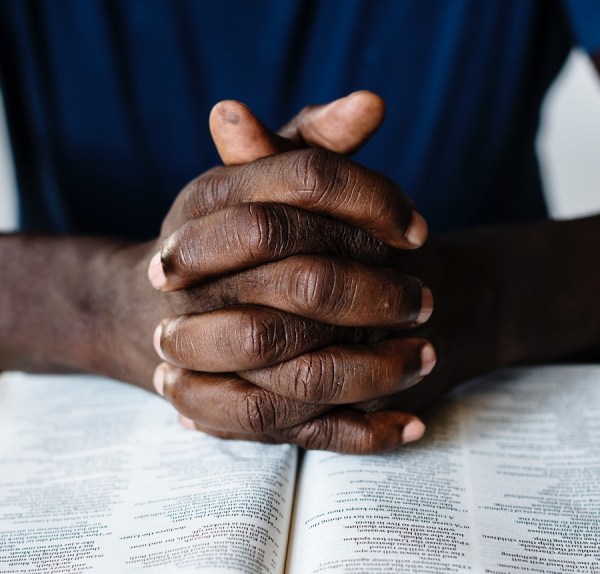
Over the last few months, some half a dozen people have asked me how to read the Bible. Some have been in churches for decades, others have barely been in churches at all, but they are united by one thing: They want to read the Bible for themselves – but they have experienced the Bible as an instrument of control in the past, and so they are afraid. Continue reading “Lectio Divina: Divine reading”
Luke | The way of Jesus Christ
Listen here.
The Australian politician walked onto the stage, glanced at his iPad, and said: “The spirit of the mob is upon me, because the mob has appointed me to bring good news to the rich. It has sent me to place boat arrivals into indefinite detention, to close the eyes of the clear-sighted, to extend mandatory sentencing, and to proclaim the day of violent judgement of our God … And this prophetic work is for the benefit of straight white middle class Australians who call themselves Christian—and no one else.” Continue reading “Luke | The way of Jesus Christ”
Prayer | The Examen: A daily practice
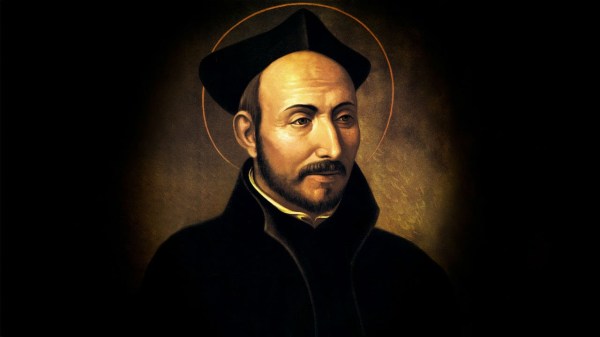
The Prayer of Examen, also known as the Daily, or Ignatian, Examen, is a classic tool for self-examination. It was formalised by St Ignatius of Loyola (1491-1556). The word ‘Examen’ has its roots in a Latin word meaning ‘to weigh accurately’; and so the Examen is about reviewing each day, and weighing it up through prayerful eyes. You can do it at any time, but in the evening is usual. It usually takes ten to fifteen minutes. Many people find it helpful to journal their experience of the Examen, so they can trace patterns and movement over long periods of time. Many also find it helpful to allocate a quiet corner to the practice, perhaps with a comfortable chair, a candle, the Bible, and their journal at the ready. Continue reading “Prayer | The Examen: A daily practice”