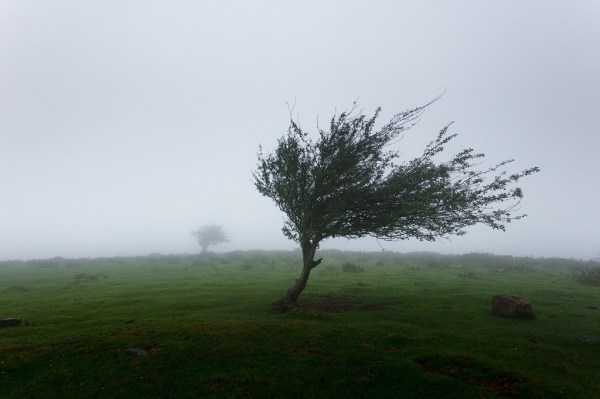
Job | Responsibility, awe and wonder

In response to human suffering, God offers presence and a broader perspective. (Listen.)

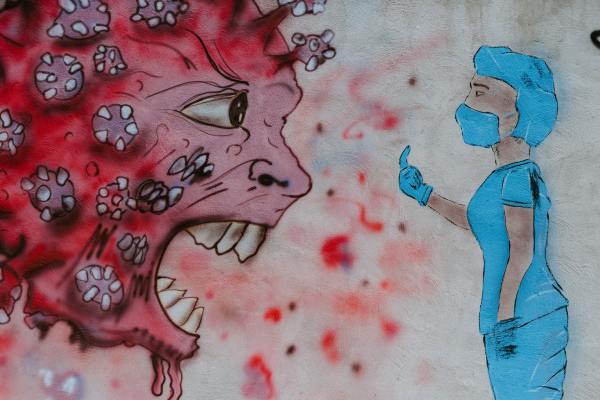
God, why was Elephant killed? What about J and K and all our other friends this year? Why is there a plague galloping across the earth, and so many people suffering or dead? How long must we live in fear? When can we see friends and family again? We’re good people, Lord, faithful and committed and true. We try to live ethically; we pray: why is this all happening? Continue reading “Job | Responsibility, awe and wonder”

Exodus | God provides in the wilderness

The ancient story of a wilderness-wandering people invites us to ponder how God sustains us during shutdown. (Listen.)

Day after day, week after week, month after month, we have been walking in the wilderness of shutdown. School has changed. Work has changed. Church has changed; and so has everything else. Most of us are still spending time with too many family members and not enough friends; many of us are lonely, anxious, exhausted, overwhelmed. Babies are being born; children are growing; grandparents are ageing, all without loved ones attending every step. Significant milestones are passing by without our usual rituals: Birthdays. Graduations. Anniversaries. Even deaths.

Continue reading “Exodus | God provides in the wilderness”

Exodus | Plagues and other signs and wonders

A story of plague, empire and pyramids is truly a story for our times. A reflection, followed by a congregational conversation. (Listen to the reflection part here.)

Once upon a time, long long ago, there was a nation whose gods shaped it into a pyramid of power. At the top was one man: Pharaoh: the semi-divine son of the sun god Ra. And as happens to everyone, Pharaoh was made in his god’s image. Dominating. Enslaving. Murderous. Turning the things of life—midwives, the Nile—into instruments of death.

Continue reading “Exodus | Plagues and other signs and wonders”

Genesis | ‘Male and female they created them’: Pronouns and the community of God

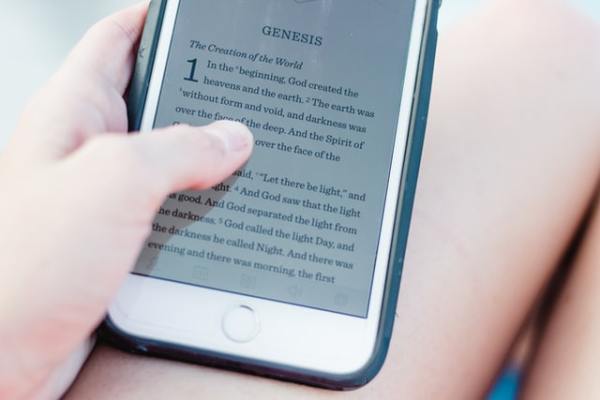
This coming Sunday, we will focus on the first creation story (here). During the service, I plan to reflect on how God acts in the face of chaos; here, I want to comment on translation. What’s interesting is the name of God and the related issue of pronouns, that is, he/him; she/her; they/them. Most English translations just write ‘God’ and assign a male pronoun; not coincidentally, most English translations have been authored by men. (If in doubt, read through the list of contributors in the front of your Bible. It’s an entirely depressing exercise.) Continue reading “Genesis | ‘Male and female they created them’: Pronouns and the community of God”

Living the questions

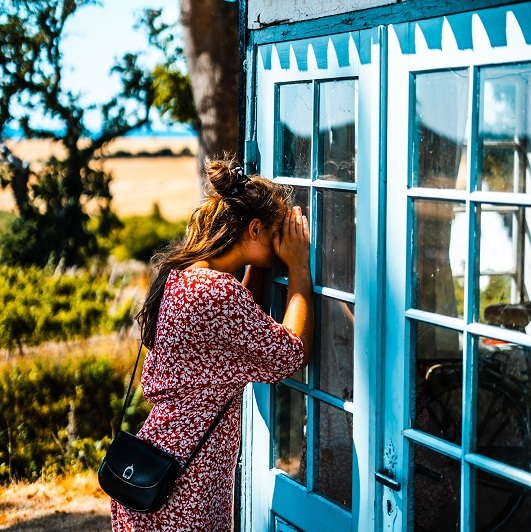
Rainer Maria Rilke writes: “… try to love the questions themselves, like locked rooms and like books that are written in a very foreign tongue. Do not now seek the answers, which cannot be given you because you would not be able to live them. And the point is, to live everything. Live the questions now. Perhaps you will then gradually, without noticing it, live along some distant day into the answer.” Continue reading “Living the questions”

Luke | Ask, seek and knock for the presence of the Holy Spirit. And that’s it.

Many believe that prayer is a transaction between ‘good’ people and God; but is this what Jesus is really on about? (Listen.)

An old friend of ours, Monique Lisbon, once wrote a satirical song with a chorus that goes like this: God can’t keep track of the human race / when everyone’s praying for a parking space. The song is her response to those Christians who quite literally ask God for everything: personal prosperity, a perfect spouse, a big house in a nice suburb, and a parking space right outside the front. Jesus says, “Ask, and you shall receive,” and so they ask, and ask, and ask some more: for the verse has been widely interpreted to mean that God is a fairy godmother just waiting to reward our earnest prayers by granting our heart’s desire. Continue reading “Luke | Ask, seek and knock for the presence of the Holy Spirit. And that’s it.”

Proverbs | Lady Wisdom and the gender diverse community of God

Pronouns can limit or expand how we think about people; they can limit or expand how we think about God. (Listen.)

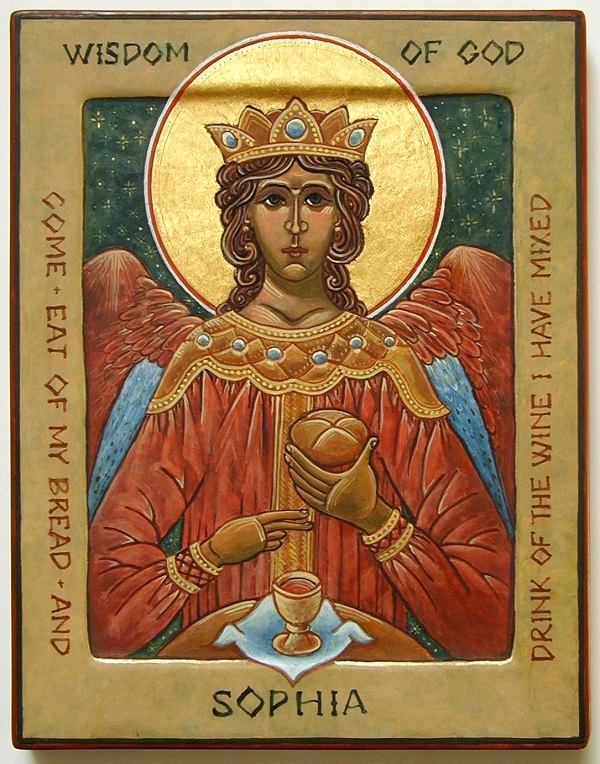
Once upon a time, long, long ago, Lady Wisdom called out at the public places—the city gates, the crossroads, the mountaintops—and she said: “The Lord began the work of creation with me. In time before dreaming I was in on the action; right from the word ‘go’ as the earth began.  Continue reading “Proverbs | Lady Wisdom and the gender diverse community of God”

Blow through me, Breath of God

Did you know that, in both Greek and Hebrew, the word we translate as ‘spirit’ means ‘air-in-movement’? In Hebrew, it’s the feminine ruah, or breath, which hovers over the waters of chaos in Genesis. In Greek, it’s the gender neutral pneuma which descends from heaven and fills Jesus’ disciples. You get a sense of the Greek word from the English words ‘pneumatic’ (containing air), and my ten-year-old’s favourite word: ‘pneumonoultramicroscopicsilicovolcanoconiosis’, a condition seriously restricting air flow caused by the inhalation of silicate, possibly from a volcano. Phew! Continue reading “Blow through me, Breath of God”

Blog at WordPress.com.

Up ↑