Ministry | Questions for the end of life

November 1 is All Saints, a day to remember those who have died and gone before us. But before each person dies, of course, they must face the end of life. It is a common misperception that people in life’s final stages are constantly cared for by professionals. In reality, whether at home or in a facility, the vast majority of care and companionship will come from family and friends; and perhaps you yourself have been in the caring role. Continue reading “Ministry | Questions for the end of life”

Luke | Martha Made Whole

Inviting Christ into your dwelling means being renovated from the inside out. (Listen, or watch on YouTube.)

A newcomer was sitting with a circle of women as they reflected on the sermon after the service. Suddenly she said, ‘Wow! I’ve never seen THAT before!’ I asked her what she noticed. She gestured to the men heating food and setting the table for our common meal. ‘Everywhere else, men talk and women serve,’ she said. ‘Not here,’ I replied. ‘Here, people take turns. And if you stay for the meal, you might see men doing the dishes afterwards!’ Continue reading “Luke | Martha Made Whole”

Guided meditation: Jesus washes his disciples’ feet

A guided meditation. (Listen.)

Tonight, we are not physically gathered in a room. We cannot pass the peace with hug or handshake; we cannot wash each other’s feet. But our imaginations are not confined. So tonight, allow me to lead you in a guided meditation, and just as our Lord reaches out to us, let us meet one another in the communion of the Holy Spirit. Continue reading “Guided meditation: Jesus washes his disciples’ feet”

John | Word made flesh

And the Word became flesh and lived among us, and we have seen his glory, the glory as of a father’s only son, full of grace and truth … From his fullness we have all received, grace upon grace. (John 1:14, 16)

When I was in training, I encountered many theories about what a pastor is and does. Nouns flew around: shepherd, leader, manager. Verbs, too: healing, guiding, sustaining, reconciling. Sometimes it sounded like I was supposed to be a CEO; other times, a badly trained therapist; still other times, a salesperson for the gospel. I was told to work out where I fit in the APEST model—apostle, prophet, evangelist, shepherd-pastor or teacher—and was told, simultaneously, that the church has no need for pastors or teachers these days. I explored Biblical metaphors—struggling Jacob, raging Jonah, and Simon’s mother-in-law, whose healing led to ministry—but the powers that be told me these reflections were irrelevant, even faintly ridiculous.

Continue reading “John | Word made flesh”

Mark | Jesus-centred ministry: Spontaneous, informal, domestic

Just as the first recognized minister in Mark’s gospel is an unnamed woman in a private home, most ministry today continues to be spontaneous, informal, domestic. (Listen.)

I wonder what Simon’s mother-in-law prepared for Jesus and his disciples. Pita bread and hummus? Rice wrapped in vine leaves? Dried figs, almonds, and a soft mound of goats’ cheese? Because when Jesus visits Simon’s house, Simon’s mother-in-law is sick. But although it’s the Sabbath, and although she’s a woman, and although she’s sick, Jesus touches her. She is resurrected; she gets out of bed; and, most Bible translations say, she begins to serve them: and in the Middle East, that always means food.

Continue reading “Mark | Jesus-centred ministry: Spontaneous, informal, domestic”

Housekeeping: A metaphor for church leadership

It’s time for us to start thinking about who will do the housekeeping for the next twelve months. Many churches call these people ‘deacons.’ The word comes from the Greek diakonos, which means ‘one who serves.’ We sometimes call it ‘church leadership’, but it’s a funny sort of leadership. It’s low status, usually thankless, and only noticed when it’s not being done: like housekeeping; and, like housekeeping, many of the tasks are mundane and require no special expertise beyond a deep willingness to serve. And, like housekeeping, it takes time each week to keep things ticking over. This is what it involves: Continue reading “Housekeeping: A metaphor for church leadership”

1 Samuel | Not Donald, not Boris, but you and me

In this time of global pandemic, closed borders, economic collapse, isolation, and loneliness, ordinary people like us are needed to do God’s priestly work. (Listen.)

It wasn’t Donald, as he boasted and blustered and bribed his way to the top. It wasn’t Vlad, with his iron fist and steely will and heart of stone. It wasn’t Boris, as he manipulated fear and stirred up trouble and tore people apart. And it wasn’t Scottie from marketing, with his smooth talking smugness at his own success. Instead, it was the one everyone forgot, the one rambling the hillsides, the one who stank of sheep. Continue reading “1 Samuel | Not Donald, not Boris, but you and me”

1 Kings | Spirituality for the chaos of life

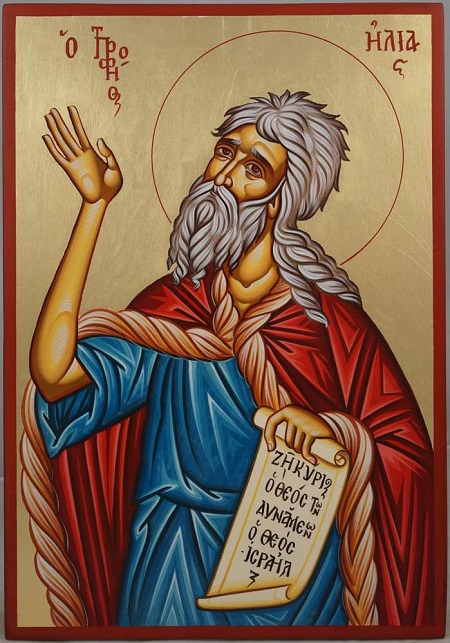
Most spiritual teachings assume solitude and silence, but the story of Elijah suggests that a healthy God-centred spirituality is grounded in the hustle and bustle of community. (Listen.)

Once upon a time, long long ago, when my kids were young, I felt for a while that my faith and spirituality had to go on hold. Life was so busy, and the kids were so demanding, and everywhere I went there were people. People needing a nappy change; people needing a story; people needing a cuddle; people needing a cuppa; people needing a neighbour; people needing a friend; people needing a volunteer; people needing a worker. Everything I had ever read about spirituality was about spending quiet time alone with God: yet quiet time alone was exactly what I never had. Continue reading “1 Kings | Spirituality for the chaos of life”

Blog at WordPress.com.

Up ↑