Matthew | Redeeming Joshua

In his encounter with the Canaanite woman, Jesus repeats then repents of Joshua’s policy of no mercy. (Listen.)

Good to know: Jesus’ name is the English rendition of the Greek version of a Hebrew name which in English is rendered Joshua! Yeshua – Iesous – Jesus – Joshua: they’re all the same name.

‘I’m from one of the oldest families,’ he said. ‘We’ve been here since the beginning.’ And with that he effectively erased 60,000 years of continuous living culture, just as his Irish ancestors had tried to erase the people from the land. He’s a lovely guy, straightforward and well-meaning, and totally oblivious to what he had just done. Continue reading “Matthew | Redeeming Joshua”
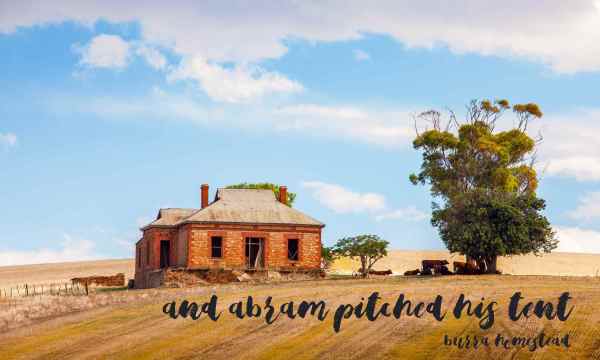
Genesis | Abram: Our ancestor-colonizer

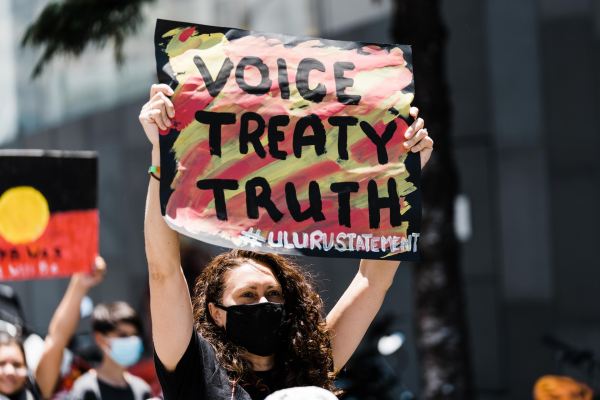
The story of Abram points to a more just settlement, paving the way to Voice and Treaty. (Listen.)

Leave your country, your kin, and your ancestral home, you poverty-stricken Cornishfolk, for a land which I will show you. It’s the colony of South Australia, Burra to be precise; and it needs people like you to chop down trees and lay out farms and work the mines and subdue the earth. Continue reading “Genesis | Abram: Our ancestor-colonizer”

Reconciliation Week | Before reconciliation

If you enter your place of worship then remember that your brother or sister has something against you, abandon your offering and go, be reconciled to your brother or sister. Make things right. Then and only then, come back and offer your gift to God. (Matthew 5:23-24)

I was absolutely sickened by the brutal, arrogant and downright ugly carving of a Jesus-branded message into an Indigenous sacred site on Mount Beerwah last week. (If you missed it, someone used a power tool to gouge “JESUS SAVES JUST ASK HIM” in letters up to an inch deep across the rockface.) Continue reading “Reconciliation Week | Before reconciliation”

26 January | YHWH, Bunjil and Waa: Implications for Voice and Treaty

But Abram said, ‘I have sworn to YHWH, El Elyon, maker of heaven and earth …’ (Genesis 14:22)

Something interesting happens in Genesis 14. Abram swears to YHWH, whom we usually respectfully and obliquely refer to as the LORD. Then he also names El Elyon, maker of heaven and earth: the god whom Melchizedek serves. Perhaps Abram is implying that YHWH and El Elyon are one and the same. Perhaps he is acknowledging and honouring the creator spirit of the land alongside the god he already knows. Whichever, it’s intriguing: for have you ever heard anyone speak in the name of YHWH, Bunjil and Waa, creator ancestors of this land? Continue reading “26 January | YHWH, Bunjil and Waa: Implications for Voice and Treaty”

Prayer | Into the garden

Truly I tell you, today you will be with me in paradise. (Luke 23:43) 

It’s hard to read the Bible and not become a gardener: because gardens are central to our story. We begin in Genesis, in a beautiful place of innocence, life, creativity and newness. God walks the garden in the cool of the evening, crushing thyme between her fingertips and enjoying the heightened scent. Birds are settling into their roosts for the night; small sounds travel on the evening air; silvery leaves and white flowers seem to glow. Continue reading “Prayer | Into the garden”

Isaiah | Peace and plenty for everyone

Twenty years ago, Cudgee was a depleted paddock. Now, it’s an oasis. Families have built sustainable homes and are raising their children there. People have planted countless Indigenous trees, grasses, and shrubs. The creek is overhung by eucalypts; blocks are lined with wildlife corridors; koalas grunt and roam. There are organic gardens and orchards; happy chooks; contented ducks; an Indigenous plant nursery; and the best garlic in Victoria. Continue reading “Isaiah | Peace and plenty for everyone”

John | For the life of the world

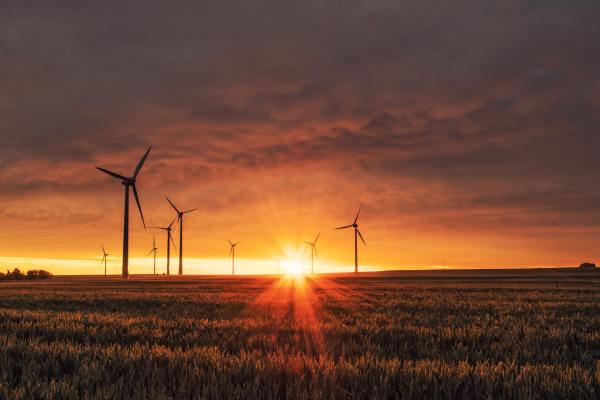
An enfleshed God unites us with the community of all creation and points us to urgent climate action. (Listen.)

There are two kinds of eating, says Jesus; two kinds of food. One, we eat of the created goodness, plants and animals which we rip into with our teeth, and chew and swallow; they are absorbed into us so that we might live. This is the food which perishes. The other, we eat of Christ, ripping in with our teeth, chewing and swallowing. Christ is absorbed into us that we might live beyond simply being alive: this is the food which endures. The first food provides vitamins, minerals, calories, fats; the second, transformation, wholeness, wisdom, healing. The first grants fullness of stomach, here and now; the second, fullness of life in time beyond time. These ways of eating are intimately related: and they point to the care of the whole earth. Continue reading “John | For the life of the world”

Ephesians | Friends beyond any binary

Christ breaks down the walls between all peoples, then unites them together in love. (Listen.)

Male + Female. Gay + Straight. Trans + Cis. Black + White. Neurodiverse + Neurotypical. Progressive + Conservative. Catholic + Protestant. Believer + Unbeliever. And I could go on with the binaries. We live in a world which loves to label people. Sometimes, labels can be incredibly helpful; they can provide a lens to understand ourselves and other people. But all too often, labels are used to make insiders and outsiders; they are used to exclude and condemn. Continue reading “Ephesians | Friends beyond any binary”

Exodus | Aunty Sandra Onus, Lidia Thorpe, and a pharaoh with no name

We are all called to be actors in God’s great story of salvation, reconciling people, land, culture, and even trees. (Listen.)

On the other side of Gariwerd, along the Western Highway, you’ll find a camp. It’s the Djab Wurrung Heritage Protection Embassy. Elder Aunty Sandra Onus, Zellanach Djab Mara and others are there. They are protecting an 800-year-old birthing tree. They are protecting a 350-year-old directions tree. They are protecting 3,000 other trees: and by protecting these trees, they are protecting their dreaming. Continue reading “Exodus | Aunty Sandra Onus, Lidia Thorpe, and a pharaoh with no name”

Blog at WordPress.com.

Up ↑