Matthew | Five foolish bridesmaids, embraced

We will find Christ among foolish bridesmaids and other outcasts. (Listen.)

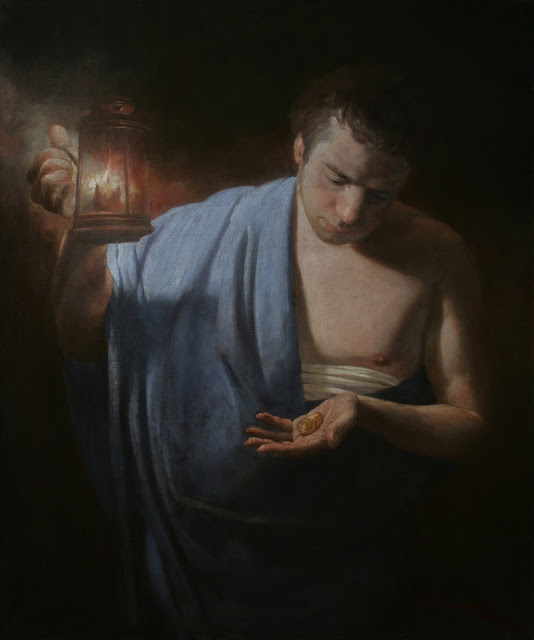
Come on, girls, you’ve been working since dawn and it’s only midnight—how dare you sleep? Wake up! Be alert, bright as a button; anticipate your master’s every need. You have more oil? Don’t you dare share, you know it’s a limited good. And stop fretting about your foolish sisters turned away from the banquet. Continue reading “Matthew | Five foolish bridesmaids, embraced”

Esther | Esther, empire and the hiddenness of God

Esther shows that when insecure fools are in charge, even the most disempowered person may trigger a radical policy reversal. (Listen.)

Esther is not a love story; it’s a story about powerful men. Esther is not a love story; it’s a story of faithfulness and courage. Esther is not a love story; it’s a story about the hiddenness of God. And yet ‘love story’, even ‘beauty pageant’, is the interpretation of Esther that many of us were taught. So today, we’re going to blow that reading out of the water: then we’ll look more closely at what it’s really about. Continue reading “Esther | Esther, empire and the hiddenness of God”

Matthew | The courage to be worthless

The parable of the talents challenges us to speak truth to power, whatever the consequences. (Listen.)

The parable of the talents is an incredibly odd little puzzle. Every way we turn it, we find another way of reading it: and so people have been turning it and wrestling with it for millennia. Even so, one interpretation has dominated the church. You probably know how it goes. God gives us talents—money, skills, capabilities—and if we don’t use them to achieve dramatic outcomes, God will throw us away. But this doesn’t sound much like God. So let’s unpick this interpretation, for we might discover a very different reading which is an encouragement to us all.

Continue reading “Matthew | The courage to be worthless”

Luke | Predatory foxes and powerless hens

Listen here.

Please be aware that this reflection includes a description of family violence.

“Where was God?” a friend once wrote to me. “Where was God when my father was on the rampage, trying to break down my bedroom door? Where was God when I was hiding under the dining room table, shaking and terrified? Why didn’t God keep me safe?” There’s an old children’s song that goes like this: “My God is so big, so strong and so mighty, there’s nothing my God cannot do …” And when I think of my dear friend, who sang songs like this in religious education classes at school, and who begged God to keep her safe from her father at home, my heart breaks. Continue reading “Luke | Predatory foxes and powerless hens”

Pell-mell to the cross

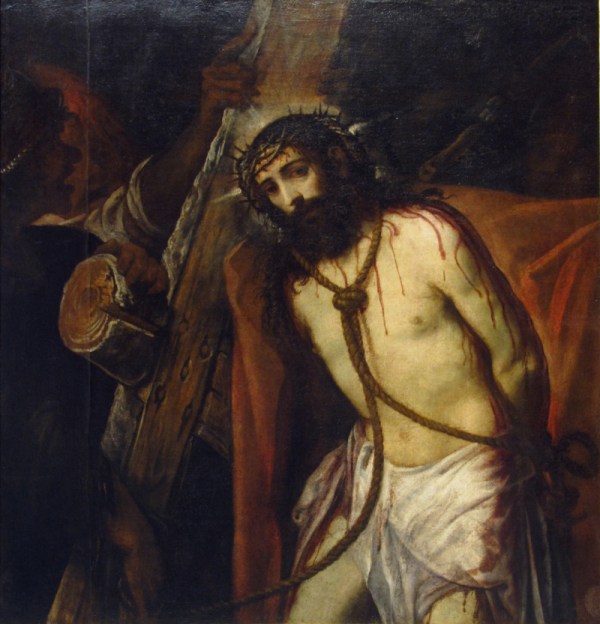
It is Lent, and one of the most powerful men in the Catholic church has just been sentenced to jail for the sexual assault of two altar boys. It reminds me of a terrible story by the Jewish writer Elie Wiesel, which is based on his experiences in Nazi concentration camps. Three people were sentenced to hanging for sabotage, among them a young boy. The two men died quickly, but the boy, too light, writhed and swung between life and death for over half an hour. Continue reading “Pell-mell to the cross”

Acts | Gender identity and the scapegoat mechanism

YOUNG OLIVIA ASKED, “How did the Temple people know to keep the Ethiopian out? Did they check everyone?!” Our telling of the story from Acts 8:26-40 on Sunday was followed by an impromptu conversation about the usual physiological effects of male sex hormones. This led to a further clarification: Kids, your dad’s vasectomy does not make him a eunuch! Continue reading “Acts | Gender identity and the scapegoat mechanism”

Blog at WordPress.com.

Up ↑